Learn aquaponics
Aquaponics Pros and Cons: An Honest Look Before You Build
As an Amazon Associate we earn from qualifying purchases. How we choose products.
On this page
The aquaponics pros and cons come down to one trade. You get two crops from one input and use about a tenth of the water that soil needs, and in return you pay more at the start, depend on electricity around the clock and commit to looking after the system every day. Aquaponics is worth it if you want a practical, year-round food hobby in a small space, or you garden where soil is poor or water is scarce, and you can afford the startup. It is not worth it if your main goal is the cheapest possible vegetables, you already have good garden soil and room, or you cannot check the system daily.
The claims below are tied to two sources: the FAO technical paper Small-scale aquaponic food production (TP 589), which has a chapter on the benefits and weaknesses of the method, and the USDA-funded fact sheet Economics of Aquaponics (SRAC 5006) by Carole Engle. If you are new to the idea, start with what aquaponics is, then come back here to decide.
Aquaponics Pros and Cons at a Glance
Here is the whole picture in one table. Each row is explained in the sections that follow, with the source for every claim.
| Advantages | Downsides |
|---|---|
| Fish and vegetables from one nitrogen source, the fish feed | Higher startup cost than soil gardening or hydroponics |
| About 10% of the water needed to grow the same plant in soil | Needs electricity and a working pump all day, every day |
| No synthetic fertilizer or chemical pesticide | A new system takes 3 to 5 weeks to cycle before it is ready |
| No soil, so none of the soil-borne problems or garden weeding | Fish, plants and bacteria need a pH and temperature compromise |
| Works on balconies, patios, rooftops and poor ground | Daily checks and some knowledge of fish, plants and bacteria |
| Fresh fish and vegetables from your own yard | Possible shortages of iron, potassium and calcium |
| Less waste, and fish effluent stays in the loop | Chemical pest control is off the table |
The Advantages of Aquaponics
FAO’s manual opens its case for the method with a short list of major benefits. These four matter most to a home grower.
Two Crops From One Input
The central idea is efficiency. FAO describes aquaponics as producing two agricultural products, fish and vegetables, from one nitrogen source, the fish food. Fish waste is converted by bacteria into nutrients the plants absorb, and the plants clean the water before it returns to the tank. You buy one input and harvest two foods. In a standalone vegetable garden you would buy fertilizer, and in a standalone fish tank you would buy a filter and do water changes to get rid of the waste your plants now use. If you are curious how the loop works in detail, our guide to what aquaponics is walks through it.
Water Use
This is the pro that holds up best under scrutiny. FAO explains that in soil gardening, water is lost through evaporation from the surface, percolation into the subsoil, runoff and weeds. In a closed soil-less system the main losses are what the plants take up and transpire. Its estimate is that aquaponics uses only about 10 percent of the water needed to grow the same plant in soil. That is why FAO calls the method most appropriate where land is expensive, water is scarce and soil is poor, such as arid areas and urban gardens.
No Synthetic Fertilizer
FAO lists the lack of fertilizers and chemical pesticides among the main benefits, and says the food is safer against potential residues. The plants are fed by fish waste instead of a bag of fertilizer. Be realistic about one thing: this works for most crops, but a few nutrients can run short, as the downsides section explains. Fish feed also has to be bought regularly, so the input does not disappear. It changes from fertilizer to feed.
Fewer Soil Pests and Weeds
With no garden soil, FAO notes, you avoid the problems it ties to soil culture: compaction, salinization, pollution and soil-borne disease. There is also no garden bed to weed. Do not read this as a pest-free system. Insects that feed on leaves still find aquaponic plants, and the limits on what you can spray are covered below. The gain is one whole category of garden problems that you simply never meet.
The Downsides of Aquaponics
FAO is blunt about the weaknesses. Its list includes expensive startup costs compared with soil vegetable production or hydroponics, knowledge of fish, bacteria and plants, reduced management choices, daily management, high energy demand, a need for reliable electricity, and the fact that mistakes or accidents can cause a catastrophic collapse. It also warns that aquaponics can become “an expensive hobby rather than a dedicated food production system” where soil and space are available. Here is what each of those means in practice.
Startup Cost
FAO calls the cost of the system the single most important element to consider when starting: you have to install a full aquaculture system and a full hydroponic system, joined together. That means tanks, grow beds, plumbing, a pump, aeration, fish and a way to test the water. The money is front-loaded. FAO says the costs after that are low and recurring, but you have to survive the first outlay. SRAC adds that estimating the investment is the easiest part of planning; the unexpected costs come later, from clogged screens, failed pumps and storm damage. If you want to price a first build, compare aquaponics kits with the parts list in our guide to home aquaponics.
Power and Pump Dependence
FAO states that electricity is required for all of the systems in its manual, and that an unreliable grid or a high electricity price can make aquaponics unfeasible in some places. The reason is the pump. When water stops moving, oxygen drops, and FAO warns that at high stocking densities a brief interruption can kill all of the fish within an hour. SRAC makes the same point about cost: a winter power outage can mean total loss of a tilapia crop. Plan a backup air pump and, for a larger tank, a battery or generator. Our aquaponics pump guide covers sizing.
Slow Start: Cycling
A new system does not work on day one. FAO says the bacterial colony that converts ammonia takes normally 3 to 5 weeks to build, a step called cycling that it describes as slow and requiring patience. SRAC, drawing on a study of start-up risk, tells prospective growers to plan for a steep learning curve in year one, and lists high fish mortality, nutrient deficiencies during startup, unsuitable cultivars, root rot and flooding from water-level problems as sources of early loss. A fishless cycle is the safest way through the first weeks because no animal is at risk while you learn.
Compromise pH and Temperature
This is the structural weakness of the method. Fish, plants and bacteria have overlapping but different needs, and FAO says the tolerance ranges are similar enough to share a tank but different enough that some organism will not be at its optimum. The usual target is a pH of 6 to 7 and a water temperature of 64 to 86°F (18 to 30°C). Nitrifying bacteria work better at a higher pH, in FAO’s numbers between 7.2 and 7.8, and a larger biofilter can offset that. Temperature is harder. FAO advises matching fish and plants to the climate where the system sits, because changing the temperature of the water can be energy-intensive and expensive. If your yard cannot hold a suitable range for the species you want, FAO does not recommend aquaponics there. Our guide to lowering pH covers the most common fix.
Daily Care and Fish Welfare
FAO is clear that aquaponics will always require a dedicated person or group to manage it every day. That includes feeding, checking water quality, watching for disease and handling the fish, which are living animals and not equipment. It also means somebody has to harvest them eventually, so decide early whether you are comfortable with that. If you travel often, you need a helper who understands the system. No kit removes this one, which makes it the con to weigh most honestly.
Nutrient Gaps: Iron, Potassium, Calcium
All of the plants’ nutrients come from fish waste, but FAO notes that some may be limited in quantity, with potassium, calcium and iron as the examples. Iron is the usual first problem: FAO says some new units show iron deficiency in their first 2 to 3 months because fish feed does not carry much, and recommends adding chelated iron at 1 to 2 mg per liter for the first three months of a unit, and again if deficiency appears. A pH of 7.5 can lock out iron, phosphorus and manganese altogether, and FAO adds that fruiting plants need more potassium and phosphorus than leafy greens. When pH has to be raised, FAO names potassium hydroxide and calcium hydroxide as the commonly used bases, and says deficiencies are fixed with supplemental fertilizer or more mineralization. A reliable water test kit is how you catch these problems early.
Pest Control Limits
In a soil garden, the quick answer to an insect outbreak is a spray. FAO says that is impossible in aquaponics: any strong chemical pesticide could harm the fish, so growers rely on physical barriers such as netting, careful plant choice and biological controls. SRAC makes the related point that infestations of diseases or parasites are hard to manage because only biological controls can be used. Beneficial insects help, but FAO stresses they suppress pests rather than eradicate them, and in a very small unit there may not be enough pests to keep the predators from leaving. Expect to pick off some pests by hand.
Is Aquaponics Profitable?
For most home growers the honest answer is no, and that is fine, because most of them are not trying to sell. SRAC’s review of the evidence is a useful reality check. Based on the 2012 USDA census, 71 aquaponics farms were reported in the United States, and 75 percent of them had annual sales below 25 thousand dollars, which SRAC reads as a sign that most are run as a lifestyle or hobby rather than a full-time business. In the studies it collected, vegetables such as lettuce, tomatoes and basil cost 30 to 83 percent less to produce than their market prices, but the fish side was not profitable, and SRAC notes that raising fish indoors is two to three times more expensive than raising them in open ponds. It also says that in terms of profit alone, hydroponic vegetables may do better than aquaponics.
Labor matters too. SRAC says an aquaponics system needs inspection and care throughout the day, seven days a week, and cites a Hawaii study in which labor was 46 percent of operating costs. If you do want to sell produce, read our guide to aquaponic farming before you spend anything.
Aquaponics vs Hydroponics vs Soil
The short version of the comparison: soil is the cheapest and simplest if you have good ground and space, hydroponics feeds plants with a bought nutrient solution, and aquaponics swaps the bought nutrients for fish at the price of more complexity. FAO itself says aquaponics can be impractical and unnecessary where land, fertile soil, space and water are available. Where the choice is between hydroponics and aquaponics, the deciding factors are your appetite for fish and how much risk you will accept. The full comparison lives in aquaponics vs hydroponics.
Who Aquaponics Suits
Put the pros and cons together and the right grower looks fairly specific.
Good Fit
- Small-space gardeners. FAO points to balconies, patios, indoors and rooftops as places where dense crops can be grown without land.
- Places with poor soil or scarce water. Deserts, sandy ground and degraded soil are the settings FAO calls most appropriate.
- Hobbyists and families. FAO frames aquaponics as especially suited to family-scale food, as one part of a diet.
- People who like to learn. The best growers treat water testing and troubleshooting as part of the fun.
Poor Fit
- Anyone with good soil and space. FAO says it can become an expensive hobby there.
- Anyone with unreliable power. Without backup, a long outage can kill the fish.
- Anyone after the lowest cost per pound. The fish side tended to lose money in the SRAC review.
- Anyone who is often away. Daily management is not optional.
- Anyone hoping to feed a family entirely. FAO says small-scale units will never provide all of a family’s food.
If you decide to try it
Two low-risk ways to find out whether aquaponics suits you before you commit to a full build.
-
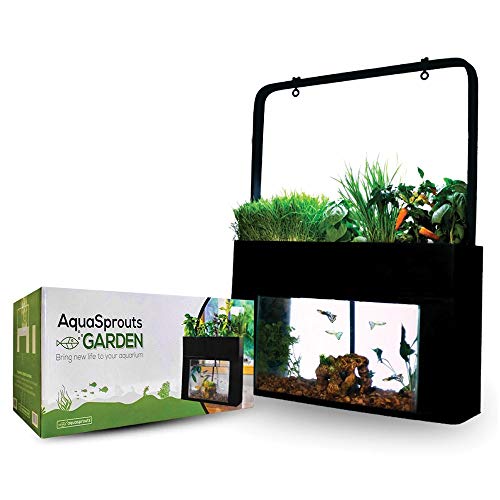
1Entry-level kit
A small unit where fish and plants share one water loop, so you see the daily routine before you invest in a large system.
-
2Water test kit
API Freshwater Master Test Kit
It measures pH, ammonia, nitrite and nitrate, the numbers behind the cycling and pH problems above.

Ready to plan? See aquaponics kits, read about home aquaponics, or learn to run a fishless cycle.
Aquaponics Pros and Cons FAQ
Grow along with us
New guides and seasonal tips for fish, plants and DIY builds, about once a month.