Fish guide
Shrimp in Aquaponics: How to Raise Freshwater Prawns
As an Amazon Associate we earn from qualifying purchases. How we choose products.
On this page
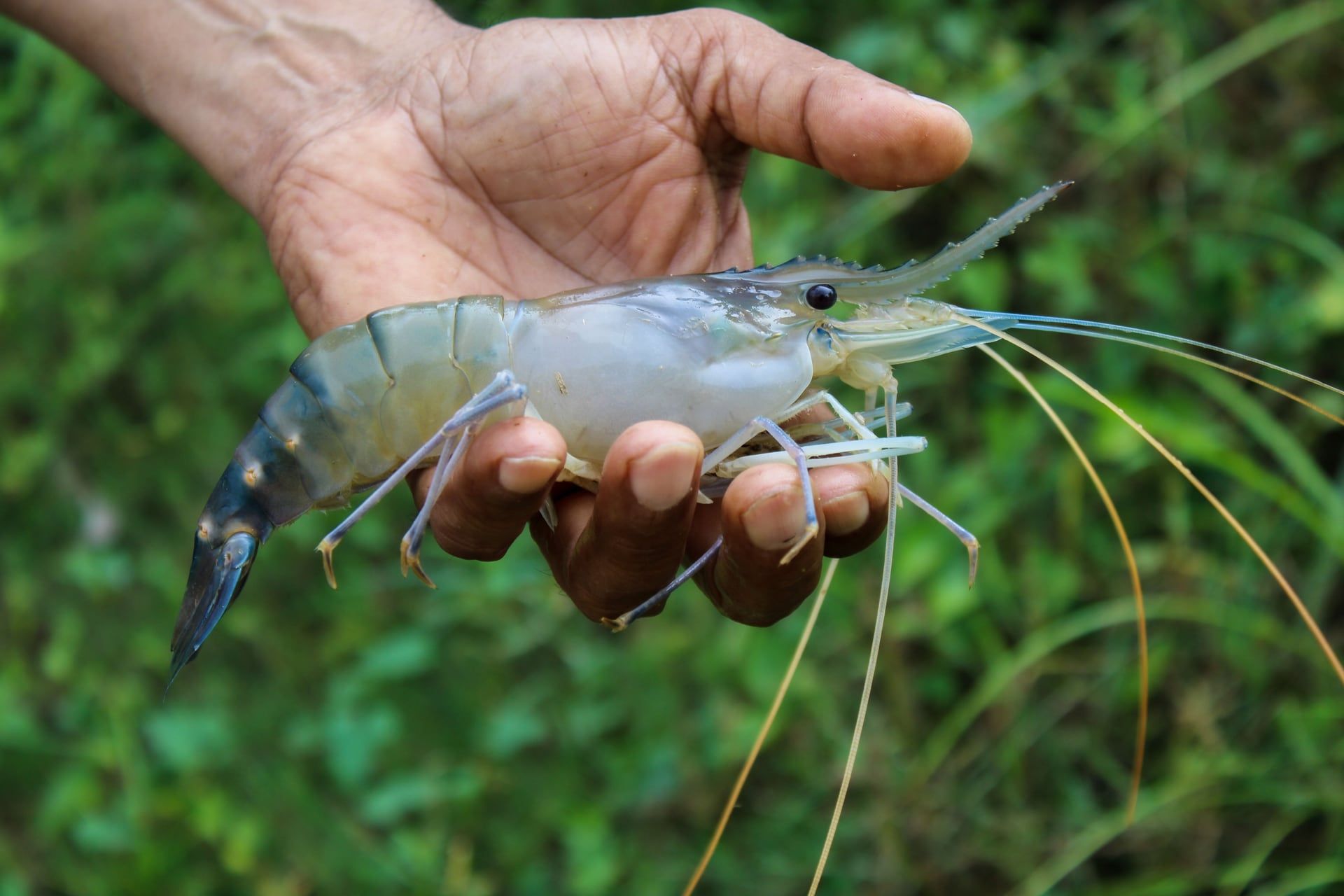
Yes, you can raise shrimp in aquaponics, but not the shrimp most people picture. The species that works for food is the giant river prawn (Macrobrachium rosenbergii), a tropical freshwater prawn that needs warm water, roughly 79 to 90°F for best growth, and plenty of floor space. It works best alongside fish, not on its own: FAO’s aquaponics manual says prawns cannot be stocked densely enough to produce the waste your plants need. The ocean shrimp sold at the store, such as whiteleg shrimp, need salty water that would kill most vegetables.
Below we compare the shrimp you can actually keep, explain how to add prawns to a fish system, how many fit in a tank, what water they need and where to get them. The numbers come from the FAO manual Small-scale aquaponic food production, SRAC Publication 484, Pond Production of the Freshwater Prawn in Temperate Climates and Texas A&M’s aquaculture program. For fish to pair them with, see our guide to the best fish for aquaponics.
Which Shrimp Can You Raise in Aquaponics?
| Shrimp | Water | Good for | Fit for aquaponics |
|---|---|---|---|
| Giant river prawn (Macrobrachium rosenbergii), also called Malaysian prawn | Fresh, warm, hard | Food | Yes, with fish; the main option for eating |
| Dwarf freshwater shrimp such as cherry shrimp (Neocaridina) | Fresh | Algae and leftover food clean-up | Yes, in small and desktop systems; too small to eat |
| Crayfish (crawdads) | Fresh | Food or bait | Possible, but some species are restricted; check state rules |
| Whiteleg or Pacific white shrimp (Litopenaeus vannamei) | Salt or brackish | Food | Not in a normal aquaponics system |
Giant River Prawns: the Shrimp to Grow for Food
Texas A&M’s freshwater prawn resource page explains that the commercial species in the US is M. rosenbergii, introduced for farming; other Macrobrachium species native to the southern US do not grow large enough for the food market. FAO describes prawns as omnivores that eat uneaten fish food, fish waste and organic matter on the bottom, so in an aquaponics tank they double as a clean-up crew.
FAO’s species table gives the giant river prawn a survivable range of 17 to 34°C (63 to 93°F), an optimal range of 26 to 32°C (79 to 90°F), a feed with about 35% crude protein, and growth to around 30 g in four to five months. In ideal conditions FAO describes a four-month growing cycle, which makes several crops a year theoretically possible in a heated system.
Dwarf Shrimp for Small and Desktop Systems
Cherry shrimp and similar dwarf species are aquarium animals. They graze algae and biofilm and pick up crumbs the fish miss, which is useful in a countertop aquaponics fish tank. They are not a food crop, and their waste adds very little fertilizer. Keep them away from fish big enough to eat them.
Why Ocean Shrimp Do Not Work
Texas A&M’s fish selection guide rules out marine and brackish species for aquaponics because they cannot be grown in the low-salinity water the system needs, and notes that most vegetables are damaged at very low salt levels. Whiteleg shrimp are a marine species. Researchers have grown them in low-salinity aquaponics with salt-tolerant plants, but that is a specialist setup, not a home vegetable garden.
Why Prawns Should Share a Tank With Fish
FAO’s advice is to grow prawns together with a mid-water fish, for two reasons. First, prawns are territorial bottom dwellers, so the number you can keep is limited by floor area, and that number is too small to produce enough waste for a useful amount of plants. Second, the fish use the upper part of the tank that the prawns leave empty, so the two together turn the same water and feed into more food.
Which Fish to Pair With Prawns
Choose a fish that likes the same warm water and will not hunt the prawns. FAO mentions that polycultures with tilapia have been tested with varying success, and that the number of prawns that can be stocked alongside them is low. FAO also says tilapia under about 6 inches eat smaller fish, so newly stocked juvenile prawns are at risk from small, hungry tilapia. Two simple rules help: stock prawns that are not much smaller than the fish, and give them cover on the bottom. Our aquaponics tilapia guide covers the fish side of that pairing.
Keep Prawns Out of the Grow Beds
FAO is explicit that prawns can eat plant roots and should be grown in the fish tanks only. Put a screen over the inlet that feeds your grow beds so young prawns cannot get carried in.
How Many Shrimp Can You Keep in a Tank?
For prawns, count square feet of floor, not gallons. FAO says the horizontal surface area determines how many prawns you can raise, and that stacked layers of netting increase that area. SRAC 484 describes the same effect in ponds as density-dependent growth: as the prawns grow and crowd the bottom, growth slows and harvest size falls.
There is no published per-gallon figure for home tanks, so the best benchmark is the pond rate. SRAC 484 gives 8,000 to 28,000 juveniles per acre for a four to five month season, which works out to roughly one prawn per 1.5 to 5.4 square feet of bottom, or about 2 to 6 prawns per 10 square feet. Ponds also grow natural food, so in a tank start at the low end. For example, a round 1,000 gallon tank about 8 feet across has roughly 50 square feet of floor, which suggests something like 10 to 30 prawns before any netting.
Add Netting to Add Space
SRAC 484 reports that adding mesh substrate equal to 25% of the bottom area raised pond yields by 15 to 20%, and that the substrate works best hung vertically in the water column, a few inches off the bottom. In a tank, panels of plastic mesh or netting, short pieces of pipe and stacked plastic grids all give territorial prawns somewhere to claim. Shelter also matters when prawns molt and are briefly soft.
Water Conditions for Freshwater Prawns
| Parameter | Giant river prawn | Source |
|---|---|---|
| Optimal temperature | 79 to 90°F (26 to 32°C) | FAO Table 7.1; FAO text gives 24 to 31°C for prawns in general |
| Survivable temperature | 63 to 93°F (17 to 34°C) | FAO Table 7.1 |
| Stocking temperature | Early-morning water consistently above 68°F | SRAC 484 (ponds) |
| Lethal cold | About 55°F | SRAC 484 |
| Total ammonia nitrogen | Below 0.5 mg/L | FAO Table 7.1 |
| Dissolved oxygen | Above 3 mg/L | FAO Table 7.1 |
| Hardness | Hard water | FAO |
| Feed protein | About 35% | FAO Table 7.1 |
Two of those lines deserve attention. The ammonia limit is tighter than for tilapia, which FAO lists at under 2 mg/L, so prawns only go into a fully cycled system; our fishless cycling guide shows how to get there. And the temperature range means that in most of the US an indoor or heated tank is the only way to grow prawns outside summer.
Acclimating New Prawns
SRAC 484 advises gradual acclimation whenever the transport water and the tank differ by more than 5°F, mixing in tank water and allowing about 5 minutes for each degree of difference. FAO gives similar advice for fish, adding that a pH difference of more than 0.5 needs a slower, day-long adjustment.
Feeding Prawns in an Aquaponics Tank
Prawns feed on the bottom, so they need a sinking food. In a mixed tank they will also clean up fish pellets that fall past the fish, which is part of their value. FAO’s table lists about 35% crude protein for giant river prawns. Feed small amounts after the fish have eaten, and check the next morning: leftover food on the bottom means you are overfeeding, and rotting feed raises ammonia, which prawns tolerate less well than fish.
Where to Buy Prawns and Shrimp
Giant river prawns are sold as post-larvae or nursed juveniles by specialist hatcheries, usually in spring. FAO says the larval cycle is complex, needs carefully controlled water and special feed, and that breeding prawns at home is only for experts, so plan to buy new juveniles for each crop. SRAC 484 recommends stocking juveniles of about 0.25 to 0.40 g for pond growers. Several US universities, including Kentucky State University and Mississippi State University, have run freshwater prawn programs and publish grower resources, linked from Texas A&M’s prawn page. Dwarf shrimp are sold by aquarium stores and hobby breeders.
Pros and Cons of Shrimp in Aquaponics
- ✓ A second crop from the same water: prawns use the bottom of the tank that fish leave empty.
- ✓ Clean-up crew: they eat uneaten feed and waste, which FAO says helps keep the system healthy.
- ✓ Valuable harvest: fresh, live prawns are hard to buy in most of the US.
- ✗ Few per tank: floor area limits numbers, so prawns cannot fertilize the plants on their own.
- ✗ Warm water only: most US systems need a heater for much of the year.
- ✗ Restocking every crop: breeding is for experts, so you buy juveniles each time.
- ✗ Sensitive to ammonia: a lower ammonia limit than tilapia, so mistakes cost more.
What you need for prawns in a fish tank
Prawns share the fish tank, so you add bottom food, heat and closer water testing to what the fish already need.
-
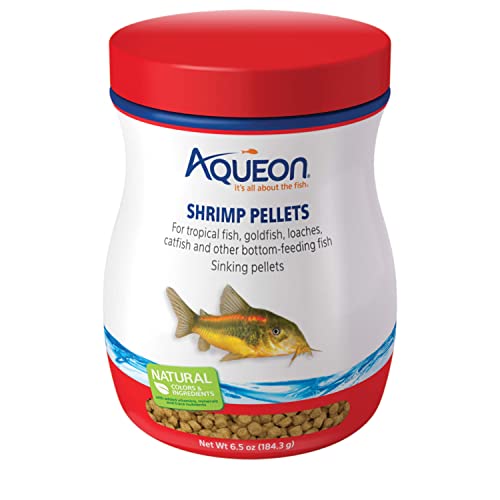
1Sinking food
Sinking pellets for bottom feeders, so the food reaches the prawns instead of being taken by the fish.
-
2Heater
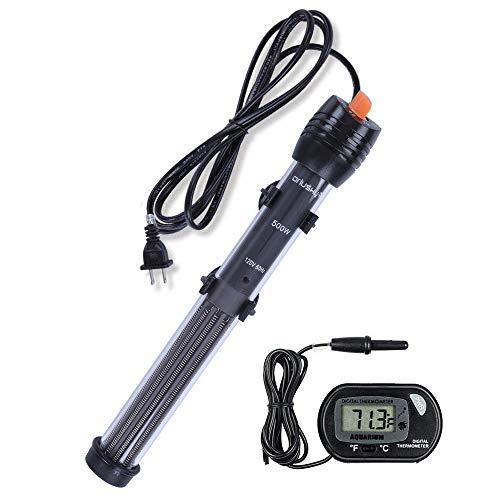
Orlushy 500W Submersible Aquarium Heater
Adjustable from 68 to 89°F per the listing, which covers most of the prawn growth range; the maker rates one unit for 40 to 75 gallons.
-
3Water test kit
API Freshwater Master Test Kit
Prawns tolerate less ammonia than tilapia, so test ammonia, nitrite, nitrate and pH every week.
-
4Air pump
Pawfly 254 GPH Aquarium Air Pump
A multi-outlet pump the maker rates for up to 300 gallons, to keep oxygen up near the bottom where prawns live.


Building the system first? Start with how to build an aquaponics system, then pick a pump and grow media.
Aquaponics Shrimp FAQ
Grow along with us
New guides and seasonal tips for fish, plants and DIY builds, about once a month.