Hydroponics guide
Hydroponic Tomatoes (and Cucumbers): How to Grow Them at Home
As an Amazon Associate we earn from qualifying purchases. How we choose products.
On this page
Hydroponic tomatoes grow in a soilless medium or in water, fed entirely by a nutrient solution, and they are one of the most rewarding crops you can grow that way. A healthy indeterminate vine keeps flowering and fruiting for months. The catch is that tomatoes are big, thirsty, long-season plants: they need a system with room for a large root mass, solid support, more light than lettuce and a feed that changes as they start to fruit.
This guide covers growing hydroponic tomatoes at home step by step, from choosing a system and variety to pruning and pollination, and adds cucumbers, which grow in the same setups with a few differences. If you keep fish, our aquaponic tomatoes guide covers the fish-fed version, which runs short of different nutrients.
Can You Grow Tomatoes Hydroponically?
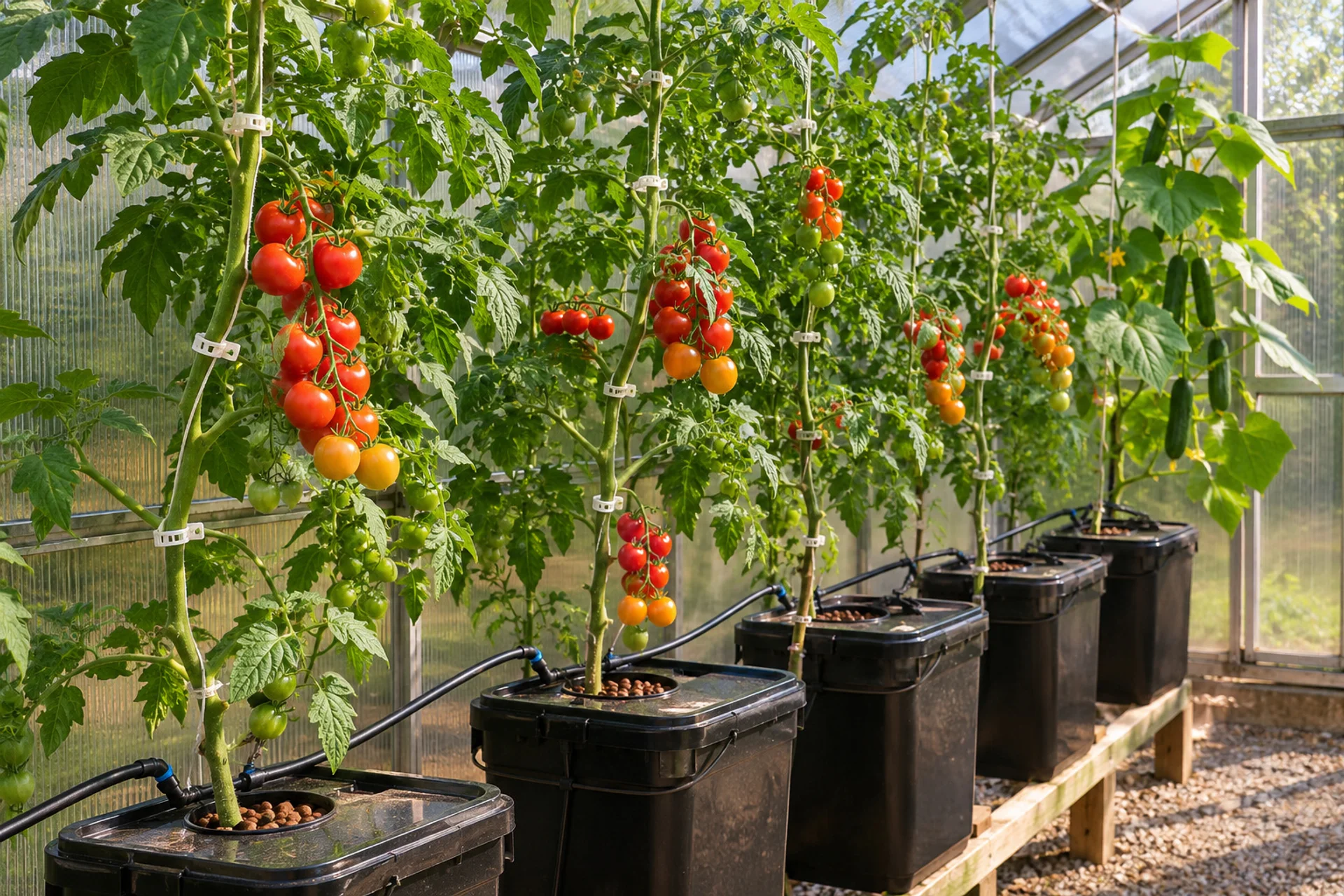
Yes. Greenhouse tomatoes are widely grown without soil, in rockwool slabs, coir or perlite bags fed by drip lines. At home, the same principles work on a smaller scale. What matters is giving each plant enough root volume, a steady nutrient supply, enough light and a way to hold up several pounds of vine and fruit.
Determinate or Indeterminate?
Determinate (bush) tomatoes grow to a set size, fruit over a few weeks and stop. They suit a small indoor system or a single bucket. Indeterminate (vining) tomatoes keep growing and fruiting until conditions end the season, which is why greenhouse growers use them, but they need training up a string or trellis and regular pruning.
Choosing Varieties
Cherry and cocktail tomatoes are the easiest place to start: smaller fruit ripens faster and the plants forgive mistakes. Beefsteaks give the biggest fruit but need the most light and feed. Look for varieties bred for greenhouse or container growing, and for disease resistance codes on the seed packet. The aquaponic tomatoes page lists varieties that also suit hydroponics.
The Best Hydroponic Systems for Tomatoes
| System | Fit for tomatoes | Why |
|---|---|---|
| Dutch buckets (bato buckets) | Best | A bucket of perlite, coir or clay per plant, drip fed and drained back to a reservoir; lots of root room and easy to expand |
| 5 gallon DWC bucket | Good | One plant per bucket with an air stone; simple, but large roots and warm water raise the risk of root rot |
| Drip to coir or rockwool slabs | Good | The commercial method; suits several plants in a row |
| Kratky | Possible for one small plant | Needs a large container and topping up; best for a determinate or dwarf variety |
| NFT | Hard | Root mats can block channels and the plants need separate support |
Dutch Buckets
A Dutch bucket is a container with a siphon elbow that keeps a small reserve at the bottom and drains the rest. A drip line feeds each bucket several times a day from a shared reservoir, and the return line carries the excess back. Fill with coarse perlite, a coir and perlite mix or clay pebbles; our clay pebbles guide covers the last.
A 5 Gallon DWC Bucket
The simplest start for one plant: a bucket, a 6 inch net basket lid, an air pump and stone. Our DWC hydroponic system guide covers the build. Keep the bucket shaded and cool, because a tomato's big root mass and warm water are the conditions root rot likes.
A One-Plant Hydroponic Tomato Setup
Parts for one tomato or cucumber plant in a 5 gallon bucket, plus support and feed.
-
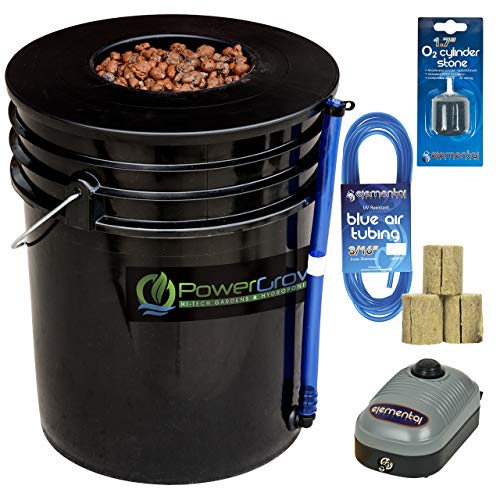
1Complete DWC bucket
PowerGrow 5 Gallon DWC Bucket Kit, 6 Inch
Bucket, 6 inch basket lid, 44 GPH air pump, tubing, air stone, growing medium and rockwool starter plugs, with a water level indicator and drain.
-
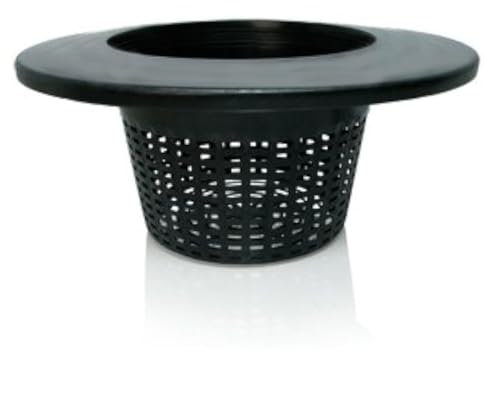
2Spare 6 inch basket
Hydrofarm 6 Inch Wide Lip Bucket Basket
A wide-lip basket that fits a standard bucket lid, if you are building your own buckets.
-
3Transplant block
Grodan Delta 4 Rockwool Blocks, 3 x 3 x 2.5 in
A larger block to move a rooted seedling into before it goes in the basket.
-
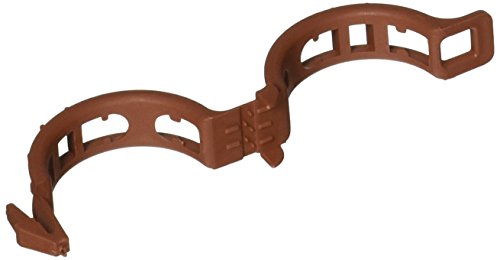
4Support
Hydrofarm Mega Twine Clips, 100 Pack
Clips that fasten the stem to a string or trellis; the listing names tomatoes, cucumbers and peppers.
-
5Nutrients
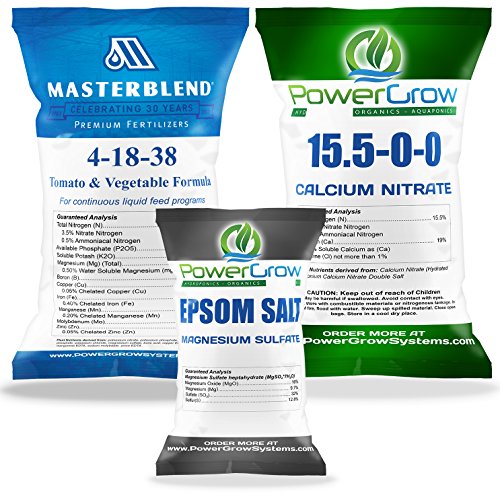
Masterblend 4-18-38 Complete Combo Kit
A dry three-part kit built around Masterblend's 4-18-38 tomato formula, with calcium nitrate and Epsom salt.

Growing Hydroponic Tomatoes, Step by Step
-
Start seeds in plugs
Sow one seed per rockwool or peat plug and keep them warm and moist. Once two true leaves show, give them light and a mild nutrient solution.
-
Block on
When roots come out of the plug, set it into a larger rockwool block. This lets the root system grow before it faces a whole bucket.
-
Transplant
Move the block into the bucket or Dutch bucket when roots show through its sides. Set it so the base sits in moist medium or just touches the solution.
-
Support from day one
Tie a string from an overhead wire or frame, wrap it around the stem and add clips as the plant grows. Putting support in later damages roots and stems.
-
Prune and train
For indeterminate varieties, remove side shoots that grow between the leaf and the stem while they are small, keeping one or two main stems.
-
Switch the feed when flowers appear
Move from a growth to a bloom formula, or shift the ratio in a three-part system, as the first trusses open.
-
Pollinate
Indoors, vibrate open flowers every day or two. See the pollination section below.
Nutrients, pH and EC for Hydroponic Tomatoes
pH
Writing in Greenhouse Grower in 2012, Robert Hansen of Ohio State University gave a pH target of about 5.5 to 6.5 for hydroponics, depending on the crop, and noted that growers often aim for the lower end. He also reported pH swings of 1 to 2 units in a day, so measure every day or two with a pH pen.
EC
Hansen said EC targets often fall in the range of 1.0 to 2.0 mS/cm, varying by crop, and advised avoiding EC above 4.0. Fruiting crops are generally run at the stronger end of the range for their stage, while seedlings start weaker. Follow your nutrient maker's chart for tomatoes and raise the strength gradually as the plant moves into fruit.
Choosing a Nutrient
Tomatoes need a lot of potassium and calcium once they fruit. A three-part liquid such as General Hydroponics Flora lets you shift toward bloom, and Masterblend's 4-18-38 kit is built around a tomato formula. Our best hydroponic nutrients guide compares them.
A Nutrient That Shifts From Growth to Fruit
If you prefer liquids to weighing powders.
-
1Three-part liquid
General Hydroponics Flora Series
FloraMicro, FloraGro and FloraBloom let you move the mix toward bloom as tomatoes and cucumbers start to flower.

Light and Temperature
Light
Tomatoes need considerably more daily light than lettuce to flower and fruit well. A sunny greenhouse or a south-facing conservatory is the easiest place for them. Indoors, plan on a strong LED over a small area, and grow a cherry or dwarf variety rather than a beefsteak if your light is modest.
Temperature
Keep the air warm by day and a little cooler at night, and protect the plants from extremes: very hot or very cold conditions make flowers drop without setting fruit. Watch the reservoir too. A warm reservoir holds less oxygen, and that is when root problems start.
Pollinating Hydroponic Tomatoes
Tomato flowers are self-fertile, but the pollen has to be shaken loose. Outdoors, wind and bees do it. Indoors there is neither, so fruit set falls unless you help.
Vibrate the Flowers
Paul Betz, writing for High Mowing Organic Seeds in 2012, describes using a sonic electric toothbrush with the brush removed and a piece of wire on the shaft, held against the point where the flower meets the stem for about 2 seconds. He did it every day in his greenhouses. Tapping the truss or the support string with a finger works on a few plants.
A Fan Helps
A small fan that keeps the plants moving gently shakes some pollen loose and helps the leaves dry, which also reduces disease.
Hydroponic Cucumbers
Hydroponic cucumbers grow in the same Dutch buckets and DWC buckets as tomatoes and are often faster to the first harvest. The differences are in the variety, the training and how much water they use.
Choose a Parthenocarpic Variety
Parthenocarpic cucumbers set fruit without pollination. Greenhouse types such as long European and Beit Alpha cucumbers are bred this way, so you can skip pollinating entirely indoors. Some of them produce bitter or misshapen fruit if insects do pollinate them, which is one reason they are grown under cover.
Training Cucumbers
Train the main stem up a string like a tomato, remove the side shoots and fruit on the lowest leaves so the plant builds strength first, then let fruit set further up. When the stem reaches the top wire, let it hang down over it.
Feeding Cucumbers
Cucumbers grow fast and drink a lot, especially in warm conditions, so check reservoir levels daily. They need a balanced feed with plenty of nitrogen while the vine grows, then a fruiting formula. Keep pH in the same range as tomatoes.
Common Problems With Hydroponic Tomatoes
Blossom End Rot
A dark, leathery patch at the bottom of the fruit points to calcium not reaching it, usually because of uneven water supply or high humidity, not only a lack of calcium in the solution. Keep the feed steady and the air moving.
Flowers Dropping
Flowers that fall without setting fruit usually mean poor pollination, temperatures outside the comfortable range, or too little light.
Yellowing Lower Leaves
Some yellowing at the bottom of an old plant is normal. Widespread yellowing points to a nutrient that is too weak, a pH that has drifted, or roots that are struggling.
Root Rot
Brown, slimy roots with a bad smell mean oxygen-starved roots, usually from warm water. Cool and aerate the reservoir, and clean the system between crops.
Related: grow the fish-fed version with aquaponic tomatoes, try hydroponic strawberries, or start smaller with hydroponic lettuce.
Grow along with us
New guides and seasonal tips for fish, plants and DIY builds, about once a month.