Hydroponics guide
Hydroponic Growing Media: Which Medium for Which System (and What to Buy)
As an Amazon Associate we earn from qualifying purchases. How we choose products.
On this page
Hydroponic growing media do one job that soil does in a garden: they hold the plant upright and keep the roots in the right balance of water and air. They are inert or close to it, so the nutrients come from the solution, not the medium. Choosing one is less about which is best and more about which fits your system, because the right medium for a seed plug is the wrong one for a flood and drain bed.
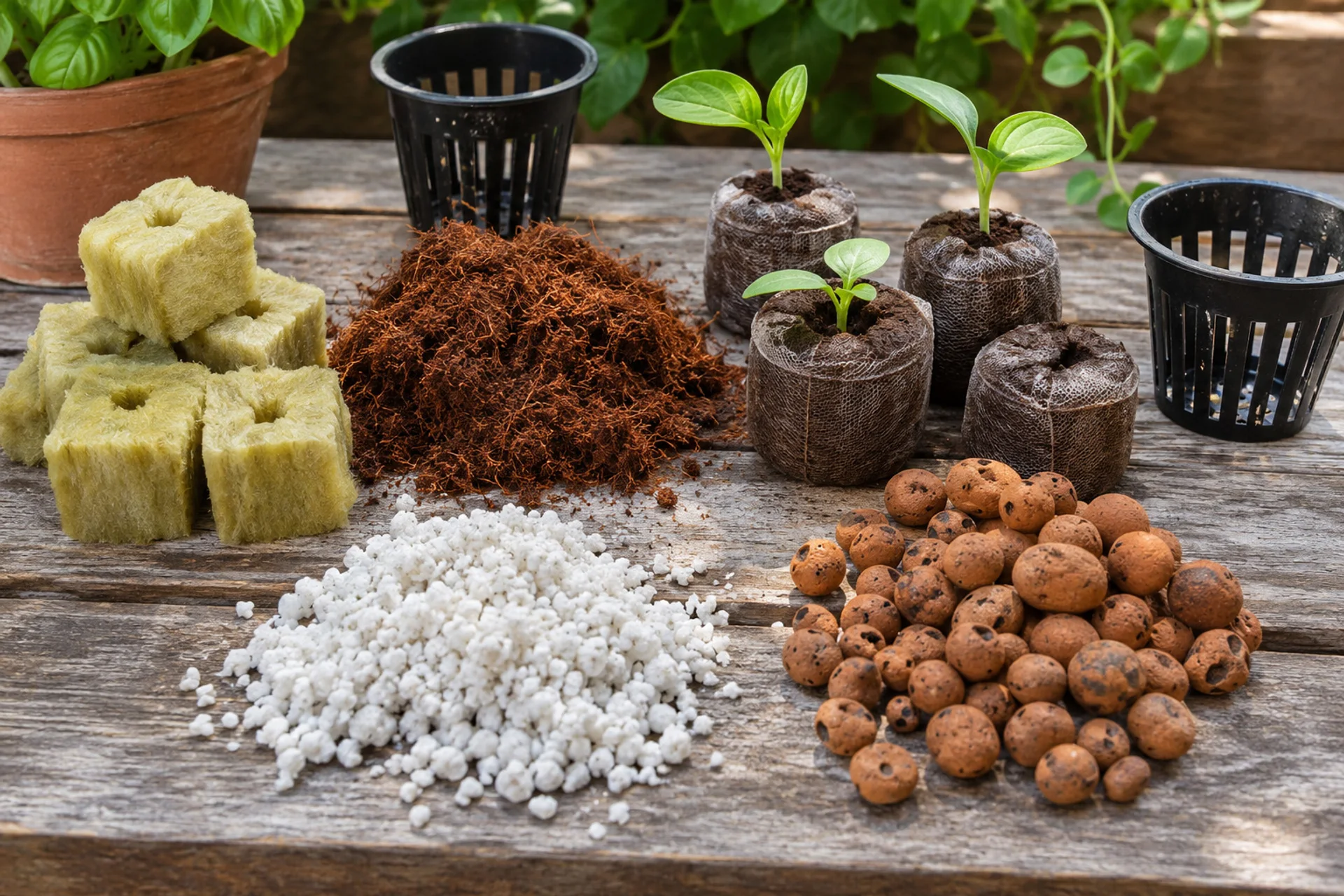
This guide compares the hydroponic growing media home growers actually use: rockwool, coco coir, peat-based plugs, perlite and expanded clay. For each one it explains where it works, what to watch for and which product to buy on Amazon US. Specifications come from the makers and the listings; we compared those rather than running side-by-side grow trials. If you are deciding between perlite and vermiculite for a potting mix, that is a separate question from the one answered here.
What a Hydroponic Growing Medium Does
Support
In a net cup, a medium wedges the stem in place until the roots grow out into the solution. In a bucket or slab it anchors the whole root system of a tall plant.
Water and Air
Every medium sits somewhere between holding water and draining it. Roots need both: water carries nutrients, air carries oxygen. A medium that holds too much water in a constantly wet system suffocates roots; one that drains too fast in a drip system dries them out between feeds.
Chemistry
Some media are almost inert, like perlite and clay. Others interact with the solution: rockwool raises pH when new, and coco coir can hold on to calcium and magnesium. That matters because hydroponic water has little buffering. Writing in Greenhouse Grower (2012), Robert Hansen of Ohio State University reported pH changes of 1 to 2 units in a single day in hydroponic solutions, and a medium that adds its own drift makes that harder to manage.
Hydroponic Growing Media Compared
| Medium | Water holding | Air | Reusable | Best for | Watch for |
|---|---|---|---|---|---|
| Rockwool | High | Good | No | Seed cubes, drip, Dutch buckets, slabs | High starting pH, dust, not compostable |
| Coco coir | High | Good | Sometimes | Pots, drip, Dutch buckets, mixes | Needs rinsing and calcium and magnesium |
| Peat plugs | Medium | Good | No | Starting seeds and cuttings | Breaks down over a long crop |
| Perlite | Low | Very high | Yes | Mixes, wick systems, drip | Floats, dusty when dry |
| Expanded clay | Low | Very high | Yes | Net cups, ebb and flow, media beds | Heavy in bulk, needs rinsing |
The ratings are relative, to help you shortlist. The sections below explain each one.
Rockwool
Grodan describes its stonewool as molten rock spun into cotton candy-like fibers and compressed into cubes, blocks or slabs. The fibers hold a large amount of solution while leaving air spaces, which is why rockwool is standard in commercial propagation. In Growing Hydroponic Leafy Greens (GPN, 2016), Cornell's Neil Mattson describes lettuce seeds surface-sown into trays of 1 inch cells of rockwool, oasis or another substrate.
Starter Plugs and Growing Blocks
The usual sequence is a small plug for the seed, then a larger block once roots show. Grodan says its A-OK plugs are designed for seed and cutting propagation before blocking on into larger blocks, and that their V shape discourages roots from tangling. The Delta 4 blocks, 3 by 3 by 2.5 inches with a hole, take a rooted plug.
Prepare It Before Use
New rockwool tends to push the pH of the solution up. Growers commonly soak it in pH-adjusted water before sowing, then squeeze out the excess so the cube is moist rather than dripping. Wear gloves and a mask when cutting slabs, because the fibers are irritating.
Downsides
Rockwool does not break down, so used cubes go to the trash. If that bothers you, peat plugs or coir do the same job for seedlings.
Coco Coir
Coco coir is the fibrous material from coconut husks, sold as compressed bricks that expand in water. Plantonix says its bricks are screened multiple times to remove fiber, sand and rocks, and Canna's 40 liter brick expands from 8 liters dry.
Where Coco Coir Works
Coir holds water well and stays airy, so it suits pots on drip lines, Dutch buckets and blends with perlite. It is also a good soil substitute for growers moving from soil to hydroponics, because it behaves more like a potting mix than rockwool does.
Buffering and Rinsing
Raw coir can carry salts from processing, and it tends to hold on to calcium and magnesium. Growers rinse it until the runoff reads low on an EC meter and usually feed with a nutrient that includes extra calcium and magnesium. Low EC and buffered coir saves you that step.
Coco Coir vs Coco Husk
Coir and coco peat are the fine fibers and dust; husk chips are chunky pieces from the same shell. Chips drain faster and suit larger containers, fine coir holds more water.
Peat Starter Plugs
Peat plugs are small, pre-formed cubes of peat held together with a binder. Root Riot says its cubes are made from sphagnum peat moss with a spongy texture that balances air and water. General Hydroponics says its Rapid Rooter plugs are fortified with micronutrients.
They are the simplest way to start seeds for NFT, DWC and Kratky systems: drop a seed in, keep it moist, and once roots show through the bottom, set the whole plug in a net cup. They are not meant to last a long fruiting season in a constantly wet system, where they slowly break down.
Perlite and Expanded Clay
Perlite
Perlite is volcanic glass heated until it pops into light white granules. It holds little water itself, so it opens up a mix and lets air in. Coarse grades such as Mother Earth's size 3 suit hydroponic mixes and drip pots, often blended with coir. On its own it can float in a flooded system.
Expanded Clay Pebbles
Clay pebbles, sold as LECA or Hydroton, are fired clay balls that drain completely and can be washed and reused. They are the usual top layer in net cups and the standard fill for ebb and flow and aquaponic media beds. Our clay pebbles guide covers sizes, quantities and brands in detail.
Which Medium for Which System
Deep Water Culture and Kratky
A peat or rockwool plug for the seed, then clay pebbles around it in the net cup to hold it upright. The roots grow into the water, so the medium only has to support the stem. See our DWC hydroponic system guide for setup.
NFT
A plug only, or a plug in a 2 inch net cup. Loose media wash into the channels and block the drain.
Drip and Dutch Buckets
Coco coir, a coir and perlite mix, rockwool blocks on slabs, or clay pebbles. The medium has to carry the plant between feeds, so it needs to hold some water.
Ebb and Flow and Media Beds
Clay pebbles or gravel. Fine media hold too much water when the bed drains and can clog the siphon. The grow bed guide explains depth and fill for beds that cycle.
Wick Systems
A water-holding mix such as coir with perlite, because the wick only moves water slowly.
Best Hydroponic Growing Media to Buy
Picks are grouped by job. All sit in the budget market tier ($).
| Product | Grodan A-OK 1.5 in Plugs Rockwool seed plugs | Root Riot Cubes, 50 Peat seed plugs | Grodan Delta 4 Blocks Rockwool blocks | Plantonix Coco Coir, 10 Bricks Coco coir | Mother Earth Perlite #3 Coarse perlite |
|---|---|---|---|---|---|
| Product |  |  |  |  | 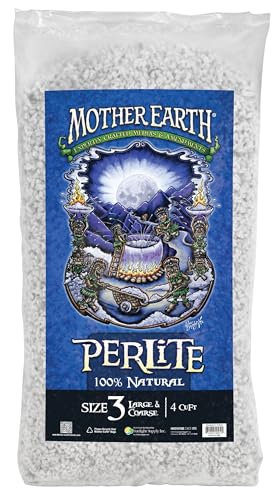 |
| Material | Stonewool | Sphagnum peat | Stonewool | Coconut fiber | Expanded volcanic glass |
| Size in this listing | Sheet of 98, 1.5 in | 50 cubes | 8 blocks, 3 x 3 x 2.5 in | 10 bricks, 650 g each | 4 cu ft, size 3 coarse |
| Use it for | Seeds and cuttings | Seeds and cuttings | Rooted plugs, drip, buckets | Pots, drip, mixes | Mixes, drip pots |
| Price tier | $ | $ | $ | $ | $ |
| Buy | Check price on Amazon | Check price on Amazon | Check price on Amazon | Check price on Amazon | Check price on Amazon |
Rockwool seed plugs
Grodan A-OK 1.5 in Plugs
- Material
- Stonewool
- Size in this listing
- Sheet of 98, 1.5 in
- Use it for
- Seeds and cuttings
- Price tier
- $
Peat seed plugs
Root Riot Cubes, 50
- Material
- Sphagnum peat
- Size in this listing
- 50 cubes
- Use it for
- Seeds and cuttings
- Price tier
- $
Rockwool blocks
Grodan Delta 4 Blocks
- Material
- Stonewool
- Size in this listing
- 8 blocks, 3 x 3 x 2.5 in
- Use it for
- Rooted plugs, drip, buckets
- Price tier
- $
Coco coir
Plantonix Coco Coir, 10 Bricks
- Material
- Coconut fiber
- Size in this listing
- 10 bricks, 650 g each
- Use it for
- Pots, drip, mixes
- Price tier
- $
Coarse perlite
Mother Earth Perlite #3
- Material
- Expanded volcanic glass
- Size in this listing
- 4 cu ft, size 3 coarse
- Use it for
- Mixes, drip pots
- Price tier
- $
More Media and the Cups That Hold Them
Alternatives to the picks above, plus net pots for DWC, Kratky and NFT.
-
1Seed plugs with micronutrients
General Hydroponics Rapid Rooter, 50 Plugs
Pre-formed plugs that slot into a 2 inch net cup; the maker says they are fortified with micronutrients.
-
2Large coir brick
One 8 liter brick that expands to 40 liters, for filling several buckets or pots.
-
32 inch net cups
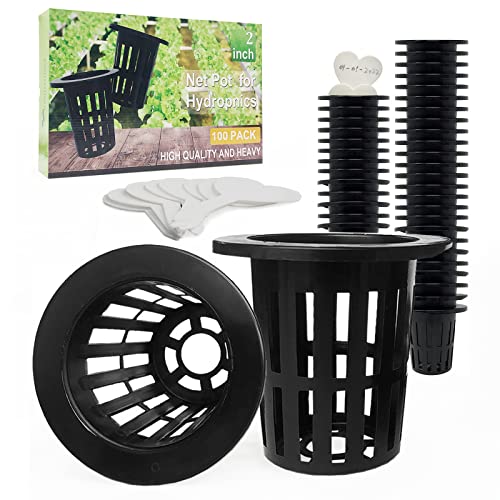
Tmtamye 2 Inch Net Pots, 100 Pack
Wide-lip cups for NFT channels, towers and small Kratky lids.
-
43 inch net cups
Cz Garden 3 Inch Net Pots, 25 Pack
Heavy duty cups sized for DWC and Kratky lids and wide-mouth jars, with a raised base so they stand on a bench.



Net Pots: Which Size?
Net pots, or net cups, are slotted plastic cups that hold the medium and let roots through. Match the cup to the hole in your lid or channel, then to the plant.
- 2 inch: NFT channels, towers, herbs and baby leaf.
- 3 inch: DWC and Kratky lids, wide-mouth jars, full lettuce heads.
- 6 inch: 5 gallon bucket lids for large plants such as tomatoes.
Heavy duty cups with a wide rim survive several crops and are easier to lift out without tearing roots.
Reusing Hydroponic Growing Media
What You Can Reuse
Clay pebbles and perlite can be washed, sterilized and reused many times. Coir can sometimes be reused for a second crop after flushing, though it compacts over time.
What You Should Not Reuse
Rockwool plugs and peat cubes are single-use. Old roots inside them are hard to clean out and can carry disease into the next crop.
How to Clean Reusable Media
Soak to loosen old roots, rinse until the water runs clear, then soak in a dilute hydrogen peroxide or bleach solution, and rinse again before replanting. Dry them fully if you are storing them.
Related: compare clay pebbles for aquaponics, set up a Kratky jar, or pick a beginner hydroponic system.
Grow along with us
New guides and seasonal tips for fish, plants and DIY builds, about once a month.