Plants and media
Hydroponic Seeds: Which Seeds Grow Best and How to Start Them
As an Amazon Associate we earn from qualifying purchases. How we choose products.
Editor's Choice: 500 Buttercrunch Lettuce Seeds Check price on Amazon
On this page
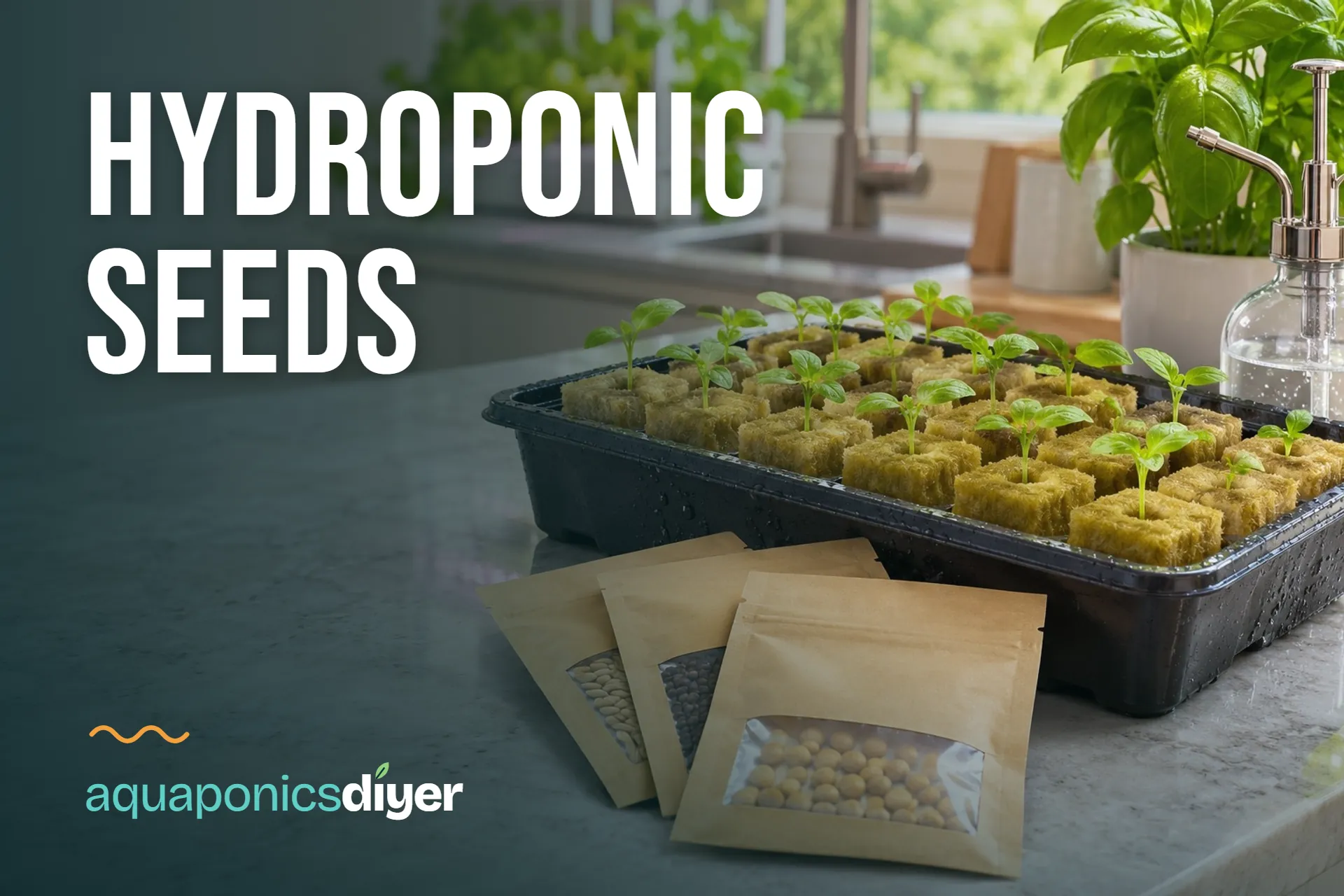
Hydroponic seeds are the same seeds you would plant in soil, with one difference that matters: you choose the variety, and you start it in a medium that holds water and air instead of dirt. Search for hydroponic seeds and you will find packets sold as hydroponic, kits of pods for countertop gardens and plain seed catalogs, and it is not obvious which of them you need. This guide explains whether hydroponic seeds are really different, whether regular seeds work, which crops are worth growing from seed, how to start them step by step, how seed pods fit in and which seeds to buy.
The facts come from named sources: the SDSU Extension small-scale hydroponics sheet (Reints, Lang and Burrows, 2025), the Alabama Cooperative Extension System guide to hydroponic and greenhouse transplants (ANR-2954), the University of Kentucky's hydroponic lettuce crop profile and the University of Arizona's controlled environment agriculture course notes, plus the listings of the products we link. If you want to see which plants suit an aquaponics system instead, our best plants for aquaponics guide ranks 38 of them.
Editor's Choice
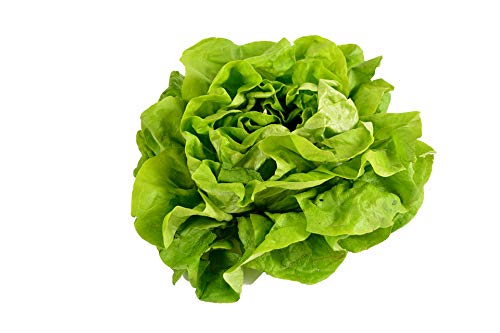
500 Buttercrunch Lettuce Seeds
Buttercrunch is a butterhead (Boston or Bibb) lettuce, one of the types the University of Kentucky lists among the most common for hydroponics. The listing sells 500 heirloom, non-GMO seeds and names hydroponics among its uses.
-
For herbs
HOME GROWN 15 Herb Seed Variety Kit
Fifteen culinary herbs including basil, cilantro and mint, in a kit whose title says it suits indoor, outdoor and hydroponic growing.
-
No seed starting needed
Hydroponic Salad Seed Pod Kit, 8 Pods
Eight pods with 600+ seeds for butterhead, romaine, spinach, cherry tomato, mini cucumber and radish.


Are Hydroponic Seeds Different?
No. A seed does not know whether it will sit in soil or in a rockwool cube. SDSU Extension says it plainly: while almost any variety can work, selecting cultivars labeled for hydroponic or container growth can yield better results, particularly those bred for compact growth or quick maturity. That is the whole difference. A seed sold as hydroponic is an ordinary seed of a variety that performs well in that setting, and the label is a hint, not a different product.
What the Label Really Means
The lettuce seeds we link say hydroponics in the listing title, but they are butterhead, Boston and Bibb lettuce (Lactuca sativa), a standard variety group. The University of Kentucky's hydroponic lettuce profile lists looseleaf, butterhead and romaine as the most common lettuce types for hydroponics, and says to look for varieties developed for greenhouse hydroponics, with disease resistance and resistance to bolting and tipburn in warm months.
Freshness and Seed Quality Matter More
The Alabama Cooperative Extension System says it is essential to buy seeds from a reputable source, because a uniform stand of seedlings is directly related to seed quality. Seed age affects germination, it says, and the best seed is younger than 6 months. Commercial packets print the germination rate and age, and most vegetable crops have a germination rate of 90 to 98 percent. Check the age on the packet before you buy.
Pelleted Seed for Lettuce
Alabama recommends pelleted seed for lettuce because it is easier to plant by hand, and the Kentucky profile adds that a pelleted seed splits open when wet and lets light reach the seed. Lettuce needs light to germinate, so seed that is not pelleted should be covered only lightly.
Can You Use Regular Seeds in Hydroponics?
Yes, with sensible choices. Regular seeds from a garden shop work in a hydroponic system, as the SDSU quote above says. What changes is the start: instead of soil you use an inert medium, and the plant takes its food from the water. SDSU says rockwool, coco coir and sponges give seeds a stable base while keeping the pH neutral.
Start in an Inert Medium
SDSU says to choose a neutral medium that will not alter the pH of your nutrient solution, because pH changes affect nutrient availability. Alabama adds that rockwool and oasis cubes carry no nutrients, so a regular seed has only its own reserves until you start feeding.
Choose Compact and Fast Varieties
Small countertop systems reward compact, fast-maturing varieties, a point SDSU makes about cultivars bred for compact growth or quick maturity. A giant tomato or a long-vine cucumber will fill a small reservoir with roots and run out of room. The Alabama guide says larger-leaved plants such as cucumbers may not work in small-celled trays and may need individual 3 or 4 inch pots, so size the container to the crop.
The Best Crops to Grow From Seed in Hydroponics
SDSU Extension says a simple setup with a container, nutrient solution and grow lights lets crops such as lettuce, herbs, tomatoes and even strawberries flourish indoors. The Alabama guide gives the nursery timing for the crops growers raise most often. The table puts both next to our crop guides.
| Crop | Germination and time to transplant | Source and notes | Our guide |
|---|---|---|---|
| Lettuce | 3 to 4 days to germinate; transplant at about 2 weeks | Alabama; Kentucky gives 64 to 68°F as the optimum germination temperature | Hydroponic lettuce |
| Basil | Start in a cube, move on at 2 to 3 true leaves | SDSU general guidance for herbs | Hydroponic basil |
| Herbs | Start in a cube or sponge, then move to a net cup | SDSU names herbs among the crops that flourish | Hydroponic herbs |
| Cilantro | Start in a cube or sponge | Herb guidance as above | Hydroponic cilantro |
| Spinach | Start in a cube, move on at 2 to 3 true leaves | Kentucky lists spinach among the leafy greens grown with lettuce | Hydroponic spinach |
| Tomato | 5 days to germinate; 4 to 6 weeks to transplant | Alabama | Hydroponic tomatoes |
| Cucumber | 3 to 4 days to germinate; about 2 weeks to transplant | Alabama | Hydroponic tomatoes and cucumbers |
| Peppers | 7 to 14 days to germinate; 6 to 9 weeks to transplant | Alabama | Hydroponic peppers |
| Microgreens | Sown thick and harvested young, with no transplant | Grown entirely from seed on a mat or tray | Hydroponic microgreens |
| Strawberries | See our guide for the starting options | SDSU names strawberries among indoor crops | Hydroponic strawberries |
Sources: Alabama Cooperative Extension System ANR-2954, Table 2 (days to germination and weeks before finished growout, for greenhouse transplants); University of Kentucky CCD-CP-63; SDSU Extension 2025.
Why Lettuce and Herbs Come First
Lettuce and herbs are quick, small and tolerant, which is why every extension guide uses them as the example. Kentucky calls lettuce one of the most commonly grown hydroponic vegetables. Our hydroponic herbs and hydroponic lettuce guides are the best place to start.
Fruiting Crops Need More Patience
Tomatoes, peppers and cucumbers take longer in the nursery. Alabama says tomato and pepper transplants are ready at about 6 inches tall with five to six true leaves, and that for larger containers it is better to transfer seedlings when they have one or two true leaves.
Potatoes and Blueberries Have Their Own Guides
Two crops people ask about are better covered on their own, so they have their own guides: hydroponic potatoes and hydroponic blueberries.
How to Start Seeds for Hydroponics
The routine is the same for almost every crop, and the extension guides agree on most of it. The steps below use the numbers they give.
Starting hydroponic seeds, step by step
-
Pick fresh seed
Buy from a reputable source and use seed younger than 6 months, as Alabama advises. Alabama says dried seed can be stored in most residential refrigerators for extended periods, so leftovers keep.
-
Choose the starting medium
SDSU lists rockwool, coco coir and sponges as the usual starters, and vermiculite for holding water. Our rockwool cubes guide covers soaking and handling. Soak the medium before sowing.
-
Sow and keep moist
Place the seed in the medium and keep it moist but not wet; Alabama says too much water blocks the gas exchange seeds need. A humidity dome helps hold moisture and warmth, SDSU says. In cube media, seeds usually do not need covering.
-
Keep it warm
Alabama says most seeds germinate when night temperatures stay above 64°F (18°C) and day temperatures above 75°F (24°C). Lettuce is the exception, with an optimum germination temperature of 64 to 68°F (18 to 20°C), according to Kentucky, and heat can reduce its germination.
-
Add light once they sprout
SDSU recommends 12 to 16 hours a day under a grow light or in a very bright window. Our grow light guide covers the options.
-
Feed at the first true leaves
Rockwool and oasis cubes contain no nutrients, so Alabama says to fertilize when the first true leaves appear. SDSU adds that it is possible to grow seedlings to transplant stage without nutrients.
-
Transplant at two to three true leaves
SDSU says seedlings are ready for the system when they have two to three true leaves and visible roots. Move the whole cube into a net cup.
Setting Up the Reservoir for Seedlings
SDSU gives 65 to 75°F (18 to 24°C) as the best range for the nutrient solution, and recommends a pH between 5.5 and 6.5. A meter that reads EC helps you keep the strength right; see our EC meter guide for the targets for lettuce and basil.
Mistakes That Kill Seedlings
The common causes are waterlogged media, which Alabama says blocks the gas exchange seeds need, and low light after sprouting, which Alabama says staggers seedling growth and delays production. A grow light on a timer takes care of the second.
Seed Pods for Countertop Gardens
Countertop hydroponic gardens such as the AeroGarden use seed pods: a small sponge, a basket and a dome that drop into the garden's hole. Pods remove the starting step entirely, which is why many beginners start there.
Pre-Seeded Pods and Grow-Your-Own Pods
Pods come pre-seeded or empty. The AeroGarden Grow Anything Seed Pod Kit is sold for growing your own seeds in AeroGarden gardens, and the salad seed pod kit we link includes 8 pods and 600+ seeds for cherry tomato, butterhead, romaine, spinach, mini cucumber and radish. Its title says it is for all hydroponics growing systems, so verify the pod size against your garden before buying.
Check the Fit Before You Buy
Pods are not universal, even when a listing says so. Confirm the pod size against your garden's manual, and see our AeroGarden comparison, which has a section on growing from your own seed, and our guide to the best indoor hydroponic gardens.
Which Seeds to Buy
These are the best hydroponic seeds for a first garden, chosen from current Amazon US listings: checked that each listing was live and read the maker's description for what is in the packet and where it can grow. We did not germination-test them, so the notes describe what each seller states.
Hydroponic seeds and pods we would buy
Start with lettuce and one herb kit, then add pods only if you own a countertop garden.
-
1Lettuce
500 Buttercrunch Lettuce Seeds
A butterhead lettuce, a common hydroponic type, in 500 heirloom non-GMO seeds. The listing mentions hydroponics and microgreens as uses.
-
2Mixed herbs
HOME GROWN 15 Herb Seed Variety Kit
Fifteen culinary herbs including basil, cilantro and mint, with 4,300+ seeds. The title says it suits indoor, outdoor and hydroponic growing.
-
3Basil
Organic Basil Seeds Variety Pack, 8 Packs
Eight basil types including Genovese, Thai, lemon, Greek and cinnamon. Our basil guide covers pH and EC for them.
-
4Pods for AeroGarden
AeroGarden Grow Anything Seed Pod Kit, 6 Pods
Empty pods for growing your own seed in an AeroGarden hydroponic garden.
-
5Salad pod kit
Hydroponic Salad Seed Pod Kit, 8 Pods
Eight pods with 600+ seeds, sold for all hydroponics growing systems. Verify the pod size first.


Related: start in the right medium with rockwool cubes, follow a crop through in hydroponic lettuce and hydroponic basil, or pick plants for fish in best plants for aquaponics.
Grow along with us
New guides and seasonal tips for fish, plants and DIY builds, about once a month.